In the digital age, choosing the right server is crucial for businesses and individuals to operate online. American servers have become the first choice for many users due to their high performance and reliability. This article will dive into the classification of US servers and their respective advantages to help users make informed choices.
1. Main categories of US servers
American servers can usually be divided into several main types: shared servers, virtual private servers (VPS), standalone servers, and cloud servers. Each type of server has its specific functions and applicable scenarios, and users can choose the most suitable server according to their own needs.
2. Characteristics and advantages of shared servers
A shared server refers to the resources shared by multiple users on the same server. This type of server is usually cheaper and is suitable for startups or personal websites. The advantage is that it is easy to manage, users do not need to worry about server maintenance and updates, and usually provides a user-friendly control panel.
However, the disadvantage of shared servers is that resource allocation is uneven, which may lead to slow website loading and security issues. Therefore, it may not be suitable for websites with high traffic or high security requirements.
3. Advantages of Virtual Private Server (VPS)
Virtual Private Server (VPS) is to divide multiple virtual servers on a physical server, providing users with higher resource independence and control. VPS not only provides the advantages of a shared server, but also allows users to install custom software and applications.
VPS is an ideal choice for websites that require more resources or higher security. Its flexibility allows users to adjust resource configuration according to traffic changes to avoid excessive waste. Meanwhile, VPS usually has better performance and stability than shared servers.
4. Professionalism and applicability of independent servers
An independent server refers to a physical server that provides the highest level of control and performance. This kind of server is suitable for large enterprises or application scenarios that have high performance and security requirements, such as online games, e-commerce platforms, etc.
The main advantage of independent servers is that their resources are completely independent, and users can customize the hardware configuration and operating system according to their needs. At the same time, independent servers provide higher security guarantees, reducing the risk of data breaches. However, the cost is relatively high and the requirements for technical maintenance capabilities are also high.
5. Flexibility and scalability of cloud servers
A cloud server is a virtual server provided through the network, and users can dynamically allocate resources according to their needs. The biggest advantage of cloud servers is their high flexibility and scalability, and users can increase or decrease resources at any time according to actual needs.
Cloud servers are especially suitable for applications with large traffic fluctuations, such as e-commerce promotions or content releases. Since data is stored in the cloud, users can also enjoy higher data security and backup solutions. Overall, cloud servers are an important tool for modern enterprises to remain competitive in a rapidly changing market.
6. Suggestions for choosing the right server type
Choosing the right server type requires several factors to consider, including the size of the website, traffic, budget and technical capabilities. If you are a startup or personal website, consider a shared server or VPS ; If your business is large and requires high performance and security requirements, a standalone server or cloud server will be a better choice.
In addition, users are required to evaluate the server provider's reputation, technical support and terms of service. Make sure to choose a reliable service provider to ensure the stability and security of the website.
Summarize
Understanding the classification of American servers and their respective advantages can help users become more handy when choosing a server. Whether it is a shared server, VPS, independent server or cloud server, each has its own unique advantages and applicable scenarios. I hope this article can provide you with a valuable reference when choosing the right server type.

- Latest articles
- how to practice hybrid deployment of enterprise-level applications between hong kong cn2 and lightweight cloud
- actual test report on the performance and improvement of malaysian home broadband vps during peak hours
- vietnam vps cn2 comparison test latency throughput and stability evaluation complete report
- troubleshooting and resolving techniques for korean pubg server packet loss and jitter issues
- how to test ip is a common misjudgment scenario native to hong kong and how to accurately troubleshoot
- user case successful deployment of korean native cloud servers in e-commerce and games
- the combination of american 200g high-defense servers and cloud-native architecture improves the anti-attack resilience solution
- security reinforcement and compliance inspection protect the production environment on native thai vps
- application tips of long-term operation and maintenance cost analysis when choosing server hosting in german computer room
- hong kong station group hengchuang technology trust survey and in-depth analysis of cooperation cases
- Popular tags
-
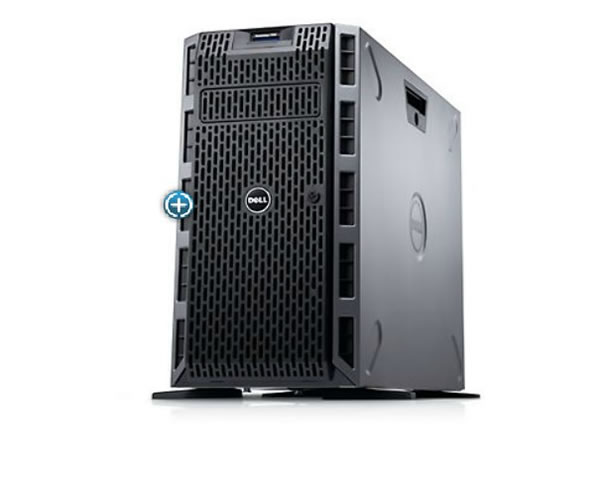
Recommended and used experience in the best site group servers in the United States
This article recommends the best site group servers in the United States and shares their usage experience to help you achieve better results in SEO optimization. -

Large bandwidth US high-defense servers help stabilize traffic during peak periods
Discuss how large-bandwidth American high-defense servers provide stability and security during peak traffic periods to ensure the normal operation of the website. -

analysis of the five major advantages of american cloud server high defense
this article will deeply explore the five major advantages of american cloud server high defense to help enterprises improve network security and business stability.